
Table of Contents
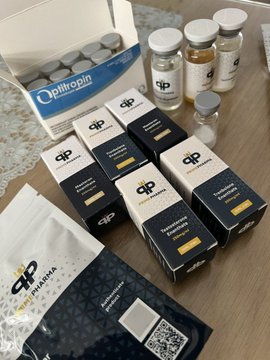
Introduction
Athletes and bodybuilders often ask: are peptides safer than steroids? This is one of the most important questions in performance enhancement today. While both are used to build muscle, improve recovery, and boost performance, they differ greatly in safety, legality, and long-term effects.
In this blog, we’ll explore the science behind peptides and steroids, compare their benefits and risks, and uncover why peptides are increasingly seen as the safer option.
Understanding Steroids
Steroids are synthetic versions of testosterone designed to rapidly increase muscle size, strength, and endurance. While effective, they come with a high risk of side effects including liver toxicity, hormonal imbalances, cardiovascular damage, and mood swings.
Understanding Peptides
Peptides, on the other hand, are short chains of amino acids that signal the body to perform specific biological functions. In sports and fitness, peptides like BPC-157, TB-500, CJC-1295, and Ipamorelin are used to stimulate healing, growth hormone release, and fat metabolism.
Are Peptides Safer Than Steroids?
Science suggests that peptides are safer than steroids because they work with the body’s natural processes rather than overriding them. Steroids flood the body with artificial hormones, while peptides simply signal your body to produce more of what it already makes naturally.
This is why most athletes report fewer side effects with peptides compared to anabolic steroids.
Scientific Benefits of Peptides Over Steroids
- Targeted effects: Peptides work on specific functions like recovery or fat loss.
- Lower health risks: No liver toxicity or extreme hormone suppression.
- Better long-term safety: Peptides are less likely to cause permanent damage.
- Legal gray area: While some are regulated, many peptides are easier to access than steroids.
Risks of Steroid Use
Despite their muscle-building power, steroids can cause:
- Severe acne and skin issues
- Gynecomastia (male breast tissue growth)
- Infertility and testicular shrinkage
- High blood pressure and cardiovascular problems
- Increased risk of liver disease
These side effects explain why athletes are searching for alternatives and asking: are peptides safer than steroids?
Potential Risks of Peptides
While generally safer, peptides are not risk-free. Misuse or poor-quality products can lead to:
- Injection site irritation
- Water retention
- Fatigue or headaches
- Possible legal issues depending on the peptide
However, compared to the serious risks of steroids, these are considered much milder.
Which Should You Choose?
If your goal is sustainable performance and muscle growth with lower risk, peptides are widely regarded as the safer option. For athletes who want rapid mass gains and don’t mind serious risks, steroids remain powerful but dangerous.
So, when it comes to the question are peptides safer than steroids, the answer from science and user experience is clear: Yes — peptides offer a safer, more sustainable pathway.
Conclusion
The debate of are peptides safer than steroids comes down to risk vs reward. Steroids provide faster muscle growth but with dangerous health risks. Peptides, on the other hand, enhance natural processes, making them safer, more targeted, and better for long-term performance.
👉 Continue reading: Peptides vs Steroids: Which Works Best for Muscle Growth?
Are peptides safer than steroids for bodybuilding?
Yes, peptides are generally considered safer because they support natural biological functions, while steroids disrupt hormone balance and carry higher risks.
Can peptides replace steroids completely?
Peptides can’t fully replace the extreme muscle gains of steroids, but they provide steady, sustainable improvements with far fewer side effects.
What peptides are best for safe muscle growth?
Popular options include CJC-1295 + Ipamorelin for growth hormone release, BPC-157 for recovery, and TB-500 for healing.
Are peptides legal to use?
The legality of peptides varies by country. Some are approved for research or medical use, while others may be restricted for athletic performance.
How fast do peptides show results compared to steroids?
Steroids typically show results in 4–8 weeks, while peptides may take 8–12 weeks or more, but offer more sustainable benefits.
Do peptides help with recovery after workouts?
Yes, peptides like BPC-157 and TB-500 are specifically used to speed up recovery, reduce soreness, and repair tissue damage.
Can peptides and steroids be used together?
Some athletes stack peptides with steroids to improve recovery and reduce side effects, but this should only be done under medical guidance.