
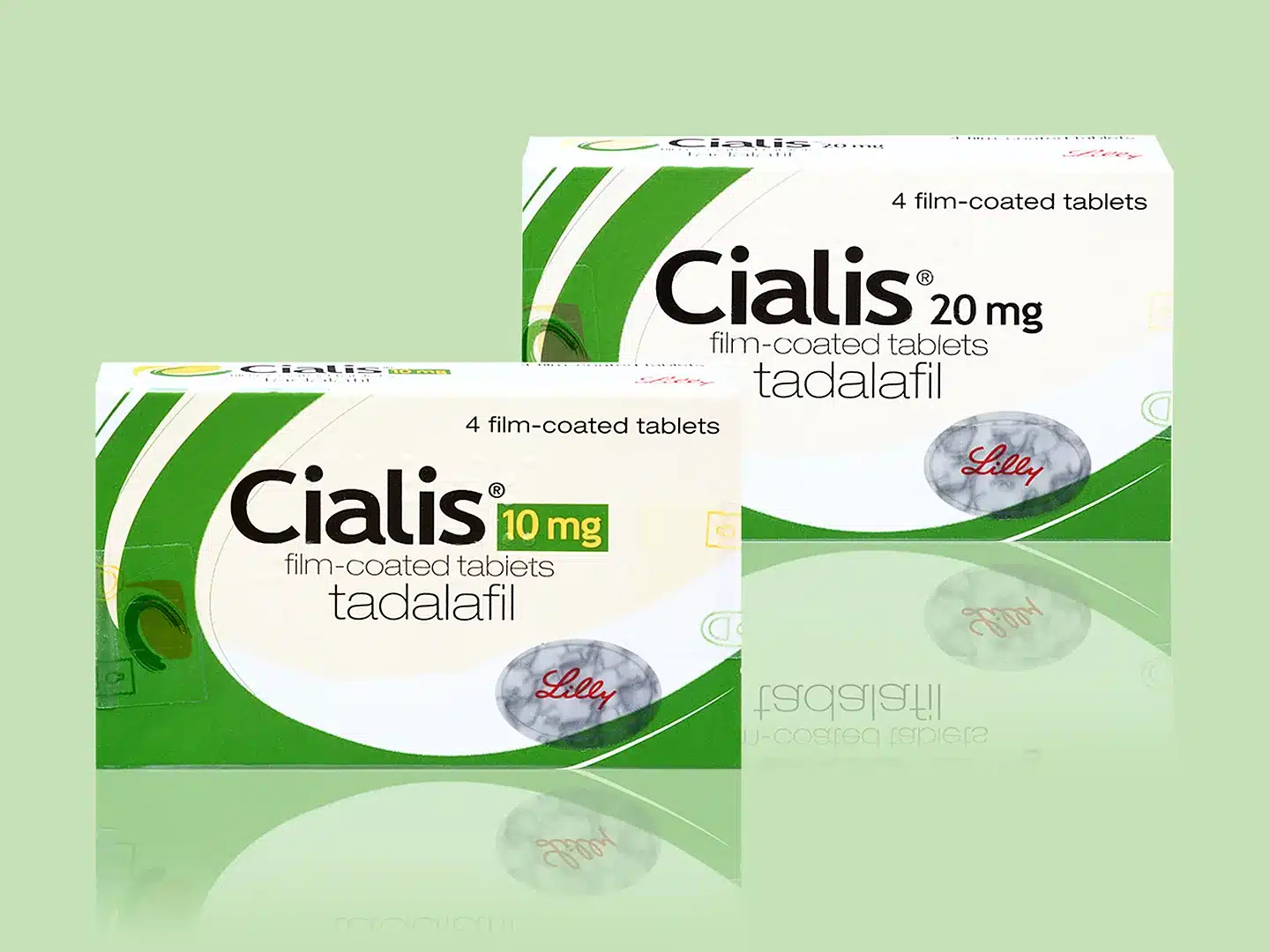
Cialis, known generically as tadalafil, is a prescription medication primarily used to treat erectile dysfunction (ED) and benign prostatic hyperplasia (BPH). Developed by Eli Lilly and Company and approved by the FDA in 2003, Cialis has become one of the most popular treatments for men experiencing difficulties with sexual function.
Mechanism of Action
Cialis belongs to a class of medications called phosphodiesterase type 5 (PDE5) inhibitors. Its primary mechanism involves the inhibition of the PDE5 enzyme, which is responsible for the breakdown of cyclic guanosine monophosphate (cGMP) in the body.
- Increased Blood Flow: By preventing the breakdown of cGMP, it enhances the natural process of erection. When a man is sexually stimulated, nitric oxide is released, which leads to an increase in cGMP levels. This causes the smooth muscles in the blood vessels of the penis to relax, allowing for increased blood flow, resulting in an erection.
- Duration of Action: One of the distinguishing features of Cialis is its long half-life, which allows for prolonged effects. While other ED medications may last for a few hours,it can remain effective for up to 36 hours, earning it the nickname “the weekend pill.”
Indications
- Erectile Dysfunction: it is primarily prescribed for men who have difficulty achieving or maintaining an erection sufficient for satisfactory sexual performance. It can be taken as needed or daily, depending on the individual’s treatment plan.
- Benign Prostatic Hyperplasia (BPH): Cialis is also indicated for the treatment of BPH, a condition characterized by an enlarged prostate that can lead to urinary symptoms such as difficulty starting urination, weak stream, and frequent urination. Cialis helps to relax the muscles in the bladder and prostate, alleviating these symptoms.
Dosage and Administration
it is available in various strengths, including 2.5 mg, 5 mg, 10 mg, and 20 mg tablets. The recommended starting dose for erectile dysfunction is typically 10 mg, taken prior to anticipated sexual activity. For those taking it daily, a lower dose of 2.5 mg to 5 mg may be prescribed.
- As Needed: Taken at least 30 minutes before sexual activity.
- Daily Use: For men who anticipate engaging in sexual activity more than twice a week, a daily low-dose regimen might be recommended.
Side Effects
While it is generally well-tolerated, some users may experience side effects, including:
- Headaches
- Flushing (redness or warmth in the face)
- Indigestion or dyspepsia
- Nasal congestion
- Back pain or muscle aches
- Vision changes (e.g., increased sensitivity to light, blurred vision)
Most side effects are mild and temporary, but serious side effects can occur, such as:
- Priapism (prolonged and painful erection)
- Sudden hearing loss
- Vision loss
- Severe allergic reactions
Individuals experiencing these serious side effects should seek immediate medical attention.
Precautions
Before taking it, individuals should inform their healthcare provider about:
- Any history of heart problems, high or low blood pressure.
- Liver or kidney disease.
- Eye conditions, including retinitis pigmentosa.
- Use of nitrates or other medications that may interact with it
Conclusion
Cialis (tadalafil) is a highly effective treatment option for erectile dysfunction and benign prostatic hyperplasia. With its long duration of action and dual indications, it provides a flexible approach to managing sexual and urinary health. As with any medication, it is essential to use Cialis under the guidance of a healthcare professional to ensure its safe and effective use.
Q1: What is Tadalafil (Cialis 20 mg)?
It is a phosphodiesterase type 5 (PDE5) inhibitor used in the management of erectile dysfunction (ED) and certain cases of benign prostatic hyperplasia (BPH). This summary is based on FDA-approved labeling.
Q2: How does Tadalafil work biologically?
It enhances the effects of nitric oxide by inhibiting PDE5. This leads to increased levels of cyclic guanosine monophosphate (cGMP), resulting in smooth muscle relaxation and increased blood flow to specific tissues.
Q3: What is the typical duration of action?
The half-life of Tadalafil is approximately 17.5 hours, allowing for effects up to 36 hours. This pharmacokinetic profile differentiates it from other PDE5 inhibitors.
Q4: What are the most common side effects observed in studies?
Clinical trials report headache, dyspepsia, back pain, nasal congestion, and flushing as the most frequent side effects. These are generally mild to moderate in intensity.
Q5: Are there contraindications for Tadalafil use?
Yes. it is contraindicated in patients using nitrates due to the risk of severe hypotension. It should also be avoided in individuals with significant cardiovascular disease unless approved by a physician.
Q6: Has Tadalafil been studied for conditions beyond ED?
Yes. Research has explored its use in pulmonary arterial hypertension and lower urinary tract symptoms associated with BPH, with varying results depending on trial design and dosage.
Q7: Where can I find more clinical data?
Refer to PubMed-indexed studies, the FDA prescribing information, and resources such as the European Medicines Agency (EMA) and National Institutes of Health (NIH).

Reviews
There are no reviews yet