
Table of Contents

Introduction
What Are Peptides? In the world of health, fitness, and longevity, one word keeps showing up more and more: peptides. Whether it’s athletes looking for faster recovery, people seeking weight loss support, or biohackers chasing longevity, peptides have become one of the most exciting topics in wellness.
But what exactly are peptides? How do they work, and why are they so popular today? In this guide, we’ll break everything down in a way that’s easy to understand — no complex science degree required.
What Are Peptides?
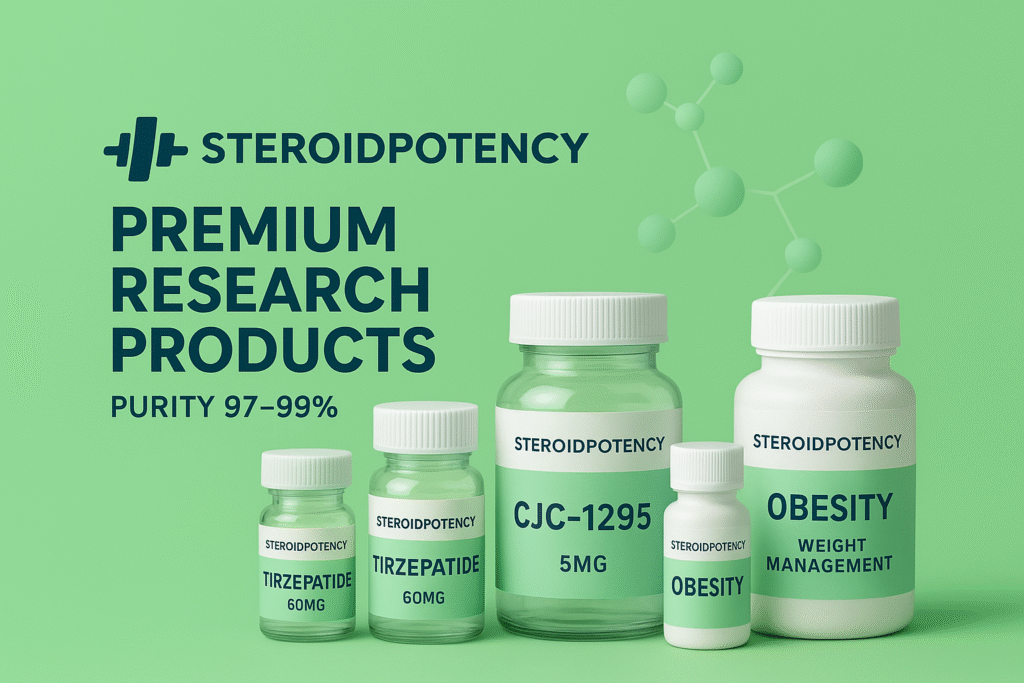
Peptides are short chains of amino acids, which are the building blocks of proteins. Think of them as “mini proteins” that send signals in your body.
When peptides bind to receptors on cells, they tell your body to perform certain actions — like burning fat, building muscle, repairing tissue, or boosting energy.
👉 In short: peptides = natural messengers that help your body work better.
- Cell Signaling: They tell your cells what to do (repair, grow, burn fat).
- Hormone Regulation: Some peptides mimic hormones or stimulate their release.
- Targeted Action: Unlike steroids (which often affect the whole body), peptides usually act in specific ways with fewer side effects.
For example:
- BPC-157 → helps repair gut lining and injuries.
- CJC-1295 + Ipamorelin → boost growth hormone for recovery.
- Semaglutide (GLP-1 peptide) → regulates appetite and supports weight loss.
Types of Peptides and Their Benefits
1. Weight Loss Peptides
- Example: Semaglutide, Tesamorelin
- Benefits: reduce appetite, burn fat, improve metabolism
2. Muscle Growth & Recovery Peptides
- Example: CJC-1295, Ipamorelin, GHRP-6
- Benefits: stimulate growth hormone, faster recovery, better sleep
3. Healing & Anti-Inflammation Peptides
- Example: BPC-157, TB-500
- Benefits: repair tissue, reduce inflammation, support joint health
4. Anti-Aging & Wellness Peptides
- Example: Epitalon, Melanotan II
- Benefits: longevity support, better skin, improved sleep cycles
Are Peptides Safe?
Like any supplement or therapy, peptides should be used responsibly. While many are being studied in medical research, they’re generally considered safer than anabolic steroids.
✔ Benefits: More targeted, fewer side effects
⚠ Risks: Possible nausea, injection site irritation, headaches (depends on peptide)
👉 Always consult a licensed medical professional before starting peptide therapy.
Peptides vs Steroids: What’s the Difference?
- Peptides = Messengers that help your body produce what it needs naturally.
- Steroids = Synthetic hormones that push the body beyond its natural limits.
- Bottom line: Peptides are usually safer, more natural, and better for long-term health.
Do peptides really work?
Yes. Research and real-world use show benefits for fat loss, recovery, and overall wellness. You can also confirm products review. An easy way to cashout has been made for all those who wish to shop from our store
How long does it take to see results?
Most people notice changes in 4–6 weeks with consistent use. You have to be very consistent insistent and consider your dosage as well. the more mg you take, the more faster the change. but not just that. The peptide must be very Pure.
Are peptides legal?
Some peptides are legal as research chemicals, while others are approved for medical use. Legality varies by country. We also operate seamless ways for our shipments. definitely a fragile product and intends perfect care, Our customers abroad have always recommended us. We also do international shipping to other countries round the world. And also Australia for those whom are based in Australia.
Can I combine peptides with steroids?
Some do, but it should only be done under professional supervision due to safety concerns.
Conclusion
Peptides are small but powerful molecules that can help with weight loss, muscle recovery, anti-aging, and overall performance. As science continues to grow, they’re quickly becoming one of the most exciting tools for health and fitness.
👉 Ready to learn more? Check out our next guide: Top 5 Peptides for Weight Loss and Muscle Recovery in 2025